Concrete Patio vs. Paver Patio in Central Ohio: Pros, Cons, and Maintenance
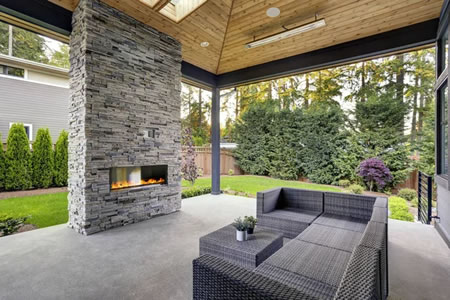
Choosing between a concrete patio and a paver patio is a big call for Columbus homeowners. If you want a smooth, long‑lasting surface that handles Ohio’s seasons, a concrete patio is often the go‑to. If you lean toward flexible design and easy spot repairs, pavers can shine. This guide breaks down what matters for Central Ohio yards so you can pick with confidence. If you are just starting research, bookmark the concrete patio Columbus OH resource from Gaddis & Son, Inc. for quick reference.
Our climate brings spring downpours, hot summers, and frequent freeze‑thaw cycles from late fall through early spring. That swing affects base prep, joints, sealing, and how both surfaces age. Below you’ll find the key differences, plus practical upkeep tips tailored to neighborhoods from Clintonville and Bexley to Dublin and Hilliard.
What Matters Most In Columbus Weather
Central Ohio soils range from clay-heavy in older city lots to well-drained mixes in newer suburbs. Water control is everything. Patios need a compacted base, correct slope away from the house, and edges that hold shape over time. Freeze‑thaw cycles try to move surfaces. Concrete counters that with a continuous slab and control joints. Pavers manage movement with lots of small units plus joint sand that can be refreshed.
Wind patterns across open yards in areas like Grove City or Westerville can push snow and ice against the same edges all winter. That’s where correct edging and attention to low spots prevent puddles that become icy patches. For homes with lots of shade or mature trees, plan for extra fall cleanup so leaves don’t stain surfaces before the first hard freeze.
Concrete Patio: Pros, Cons, and Maintenance
Concrete patios in Columbus are popular because they look clean, resist heavy furniture and grills, and work well with simple or decorative finishes. With the right base and joints, they handle daily life with little fuss.
- Pros: Smooth surface for furniture and mobility, wide finish options (broom, exposed, stamped), minimal weed growth, quick cleaning with a hose or light wash.
- Cons: Cracks can occur; spot repairs are harder to hide on decorative finishes; you must wait for curing before use.
Maintenance is straightforward. Keep it clean, avoid harsh de‑icers, and reseal decorative finishes per manufacturer guidance. Control joints help guide hairline cracks where they are less noticeable. For traction on sloped walks or steps, a broom finish is a smart choice. When you want patterns that mimic stone or brick, stamped finishes are available through our concrete contractor services team.
Paver Patio: Pros, Cons, and Maintenance
Pavers are individual units set over a compacted base with bedding sand. In historic areas like German Village or leafy Bexley streets, the modular look can fit the character of the home. Curves, inlays, and borders are easier to design with pavers.
- Pros: High design flexibility, easy spot repair if a unit stains or settles, no curing wait time, excellent drainage through joints.
- Cons: Joint sand can wash out and needs refreshing; weeds may appear without upkeep; edges need strong restraint to prevent creep.
Plan on sweeping in fresh polymeric joint sand as needed and cleaning before sealing. Many Columbus homeowners reseal pavers on a routine schedule to help lock in color and resist stains from grills or autumn leaves. Good edging along garden beds in places like Upper Arlington keeps lines crisp for years.
Winter in Columbus is tough on all hard surfaces. Clear snow with a plastic shovel, avoid harsh de‑icers near concrete and pavers, and rinse surfaces in early spring to remove leftover salts. A quick spring check for pooling water and low joints can prevent bigger repairs later.
Design And Curb Appeal Across Central Ohio Neighborhoods
Style cues can come from your block. Brick details and narrow lots in German Village lean toward pavers with classic borders. Larger suburban yards in Dublin or Powell often favor a broad concrete patio with a stamped edge and a clean step down to the lawn. In Clintonville backyards shaded by mature trees, both materials work well if you keep leaves off the surface in the fall.
Think about how you will use the space. For an outdoor dining area near the kitchen, a continuous concrete surface makes chair movement smooth and quiet. If you want garden paths and radius curves around a fire pit, pavers make those shapes simple and repeatable. Either choice can pair with seat walls, lighting, or a small pergola for shade.
Installation Timeline And Disruption
Concrete patios are formed, poured, finished, and then allowed to cure. That means a short wait before heavy use, which is worth it for a single, seamless surface. Pavers can be set and used sooner after compaction and joint sand install, so they fit tight timelines or party dates better.
Access matters in older Columbus neighborhoods with tight driveways. Crews will protect lawns and control dust during base work. Concrete finishing must adapt to weather on pour day, while paver work is a bit more flexible across changing forecasts.
Repair, Longevity, And Resale
Both patios last when they start with a solid base. Concrete’s strength helps with heavy furniture, smokers, and outdoor kitchens. Hairline cracks can occur; good joint layout and sealing of decorative finishes minimize their impact. Pavers resist cracking across the whole surface and are simple to spot‑fix if a unit gets stained or a small area settles after a deep freeze.
Buyers in Columbus value outdoor living. A clean, well‑designed patio that fits the home’s style can help listings stand out. The key is a surface that drains, stays stable through winters, and looks cared for. Keep receipts and a brief maintenance log to show future buyers the patio wasn’t ignored.
Maintenance Must‑Dos For Central Ohio Homes
- Clean in late fall before the first freeze and again in early spring to remove salts and grime.
- Use gentle cleaners meant for hardscapes and rinse well; skip harsh acids unless a pro recommends them.
- Refresh polymeric sand on pavers if joints wash out; reseal decorative concrete or pavers on a routine schedule.
- Trim beds and keep mulch off edges so borders stay crisp and water drains away.
Tip for grill masters: add a small mat or tray under the grill to prevent grease stains. It is easier to protect a surface than to chase a deep stain later.
Accessibility, Safety, And Everyday Use
If you have rolling coolers, planters on casters, or mobility equipment, you may prefer a smooth slab with control joints you can cross easily. Pavers can be just as user‑friendly when installed flat with well-set joints, but be mindful where tree roots could push from below. On steps and sloped walks, a broom finish or textured paver improves traction. Keep edges bright with lighting to guide guests during evening gatherings.
How Gaddis & Son, Inc. Builds Patios That Last In Columbus
Success starts with groundwork. Our crews grade for drainage, compact the base to spec, and confirm slope so water moves off the surface. For concrete, we plan thoughtful control‑joint layouts and offer finishes that fit how you live. For pavers, we set proper restraints and stabilize joints to keep lines tight across winters. When needed, we coordinate with your landscaper so beds, downspouts, and patio edges work together, not against each other.
If you are weighing stamped finishes versus a classic broom surface, or blending a patio with sidewalks and a small retaining wall, we can help you compare options through our concrete contractor services. For businesses adding outdoor seating or walkways, see how we support property managers at our commercial concrete page.
Concrete Patio Or Pavers: Which Fits Your Backyard?
Choose concrete if you want a smooth, unified look, simple cleaning, and a surface that handles heavy loads. Pick pavers if you want curves, patterns, and the freedom to replace a small section later. Many Central Ohio homeowners combine both: a concrete grilling and dining pad with paver accents or a border that frames garden beds. The right call matches your yard, your style, and your maintenance habits.
If you want to see concrete finishes up close or talk through layout ideas for a tight lot in Olde Towne East or a wide backyard in New Albany, the team at Gaddis & Son, Inc. is ready to help. Start by exploring options on our concrete patio page, then sketch a few shapes based on how you move through the space.
Ready To Plan Your Patio?
Let’s design a patio that looks great in July and stands strong in January. Call 614-252-3109 to schedule a visit with Gaddis & Son, Inc., or share your ideas and photos. We will help you compare finishes, set a smart maintenance plan, and build a surface that fits your home and our Central Ohio climate. When you are ready, visit the concrete patio installation page to get started.