How Long Does Concrete Replacement Usually Take From Removal to Pouring?
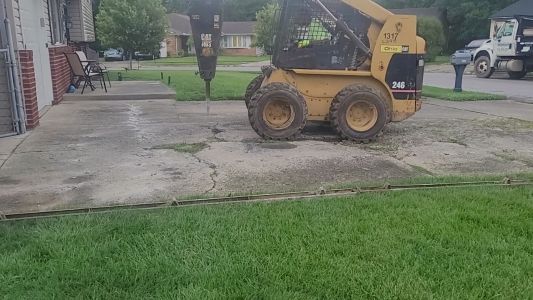
If you are planning concrete replacement in Worthington, OH, you probably want to know how long the work takes once the old slab comes out. For most residential driveways in our area, the window from concrete removal to a fresh pour is typically one to three working days, depending on size, access, crew availability, and weather. If you are replacing or upgrading concrete driveways, this guide explains each step in plain language so you can plan parking, deliveries, and daily routines with confidence.
Every property is different, but the process follows the same core stages: demo and haul-away, base preparation, forming and reinforcement, and finally the pour. The schedule is built around safety, proper compaction, and curing conditions so your new surface lasts for decades.
What Homeowners Mean By “Concrete Replacement”
“Replacement” usually means full-depth removal of the existing driveway or slab, down to the base or subgrade, followed by a new concrete installation. Spot patches can fail in Ohio’s freeze-thaw cycles, so a complete tear-out plus a well-compacted base is the reliable choice for long-term performance. If the slab is heaving, badly cracked, or holding water, a fresh start is often the most practical route.
In Worthington neighborhoods like Old Worthington, Linworth, Colonial Hills, and Worthington Hills, many homes have aging driveways that benefit from modern installation standards. A local residential concrete contractor who understands our clay soils and seasonal swings will build a timeline that fits real Midwest conditions.
Average Timeline From Removal To Pouring
Below is a common schedule for a typical single-family driveway with average access and no complex design details. Your exact plan may shift, but this gives a realistic baseline for what to expect once crews arrive.
- Day 1 morning: Saw cutting, concrete removal, and haul-away.
- Day 1 afternoon: Subgrade shaping, gravel base placement, and machine compaction.
- Day 2 morning: Final grading, form setting, and reinforcement placement as specified.
- Day 2 afternoon: Pre-pour checks; if weather and temperature cooperate, concrete pouring can begin.
- Day 3: If the project is larger, intricate, or weather-delayed, pouring is completed this day.
Small or simple projects can move faster. Larger driveways, long approaches, or limited access can push pouring to the second or third day. Severe rain, saturated soils, or freezing conditions add drying or prep time so the base is ready and stable before the new slab is placed.
What Happens Between Removal And Pouring
The hours between tearing out the old slab and calling the ready-mix truck are where quality is won. Here is what a well-run crew focuses on during that window.
Subgrade and base preparation. After demolition, crews proof-roll the exposed subgrade to find soft spots. They add and compact crushed stone where needed. Proper compaction reduces future settling and surface cracking.
Drainage and elevations. The team sets correct slopes so water sheds away from garages, stoops, and foundations. Gentle, consistent pitch toward the street or approved drainage points helps prevent puddling and ice in winter.
Forms and reinforcement. Straight, tight forms define clean edges and correct thickness. Depending on the design, reinforcement may include steel rebar or welded wire mesh placed at the right height with chairs or supports. Joints are planned so they align with turns, aprons, and sidewalks for a neat look.
Pre-pour checks. Before trucks roll, the foreman confirms compaction, thickness, joint layout, and access for chute or pump. This final review keeps the pour steady and avoids on-the-fly fixes that slow the schedule.
Local insight: Central Ohio’s clay soils hold water after heavy rain. Letting the base dry back to firm saves time later by preventing ruts and rework. Scheduling pours in the morning also helps crews finish and joint the slab before midday heat.
Factors That Can Speed Up Or Slow Down The Schedule
While most Worthington projects fit the one-to-three-day window from demo to pour, a few variables make a big difference. Plan for these, and your timeline will stay on track.
- Weather and temperatures. Cool, steady weather is ideal. Persistent rain or hard freezes add prep days.
- Site access and obstacles. Tight alleys, trees, or utilities can slow removal and base work.
- Driveway size and thickness. Larger surfaces, thicker sections, or decorative borders take more time.
- Subgrade condition. Soft or saturated soils need extra stabilization and compaction passes.
- Design details. Curves, aprons, or integrated walkways add formwork and layout time.
Do not rush after a soaking rain. Allowing the subgrade to firm up will pay off with a stronger, smoother driveway that resists settlement and cracking.
Curing Milestones After Pour Day
Once the slab is poured and finished, the clock shifts from construction time to curing time. Concrete gains strength over weeks, so traffic rules matter even after the crew leaves.
First 24 to 48 hours: Keep everyone, including pets, off the slab. Finishers will often apply a curing compound to help retain moisture. Light rain is usually fine, but avoid standing water if possible.
Days 3 to 7: You can usually walk on the surface. Keep lawn equipment and bikes to a minimum. For passenger vehicles, many contractors suggest waiting about a week before regular parking, provided temperatures are moderate and the surface is protected.
Days 7 to 28: Concrete continues to strengthen. Avoid dumpsters, heavy trucks, or moving vans until the slab has more time to cure. Full design strength typically develops by around 28 days.
Avoid deicing salts during the first winter. Sand for traction is a safer choice. Deicers can trap moisture and stress the surface during freeze-thaw cycles, especially on new slabs.
How This Timeline Fits Worthington, OH Homes
Homes from Old Worthington to Worthington Hills share similar climate stresses. Winters bring freezing nights and thaws, while summers can be hot and stormy. That swing creates expansion and contraction that weaker bases cannot handle. A careful prep-and-pour schedule builds durability into your new surface and protects driveways from heaving or edge spalling.
Local streets and short approaches also affect access. In Colonial Hills and Linworth, narrow drives or nearby trees can slow removal and formwork. A plan that accounts for delivery windows and parking needs keeps your family’s routine manageable throughout the project.
What A Clear Day-By-Day Plan Looks Like
Here is a practical outline many Worthington homeowners follow when scheduling concrete driveway replacement. Times are examples and may vary with the season and site conditions.
Day 0: Final walkthrough. The foreman confirms boundaries, joint layout, downspout paths, and where the truck or pump will set up. You move vehicles to street parking and clear the work zone.
Day 1: Removal and base work. Crews saw cut, break, and load out the old concrete. Subgrade is shaped, gravel is added, and a plate compactor or roller brings it to the right density. The site is cleaned before crews leave.
Day 2: Forms, reinforcement, and pre-pour checks. Straight lines and smooth curves are set, slopes are verified with levels, and reinforcement is placed as specified. The crew confirms mix details and weather before scheduling the pour.
Day 2 or 3: Pour and finish. Trucks arrive, and the team places, screeds, bull floats, joints, and applies a broom finish for traction. Edges are shaped, and cones or caution tape go up for safety.
When Pouring Might Be Delayed
Even with a solid plan, some conditions require patience to protect your investment. If deep frost or heavy rain persists, a reputable crew will pause. Additional base rock, geotextile stabilization, or regrading can be added when subgrade soils are soft. If temperatures plunge, blankets or adjusted mix designs may be used, or the pour moves to a better day for quality results.
Most delays are short and purposeful. They are about building long-term strength and a clean finish you will appreciate every day you pull into your driveway.
Choosing The Right Residential Concrete Contractor
Experience in Central Ohio soils and weather matters. A reliable team will keep you informed, protect nearby landscaping, and maintain safe access. They will also give you a clear start-to-finish plan and realistic pour window, not an overpromise that forces risky shortcuts.
For more detail on finishes, reinforcement, and thickness standards specific to driveways, review the overview on concrete driveways. It covers what goes into a strong slab and how a professional crew manages each step.
How To Prepare Your Household
Good preparation keeps the schedule moving and reduces surprises. Consider these simple steps before work begins:
- Move vehicles to the street the night before removal and plan alternate parking for two to three days.
- Mark sprinkler heads near the driveway. Secure pets inside during working hours.
- Plan package deliveries to a side door or hold them for a day if possible.
- Keep kids away from the site. Wet concrete can irritate skin and ruin finish work.
Never drive heavy vehicles on new concrete until your contractor confirms it is ready. Patience during the first weeks prevents damage that is difficult to fix later.
Bringing It All Together
From the first saw cut to the last broom pass, a well-managed driveway replacement in Worthington usually goes from removal to pouring within one to three working days. Weather, access, and scope are the big variables. Your foreman will adjust to protect the base, achieve proper thickness, and set clean joints that control cracking over time.
If you want a quick refresher on options and finishes, the service page on concrete driveways explains what’s possible for curb appeal and long-term value. For homeowners comparing companies, reading up on concrete replacement in Worthington, OH is a smart first step to learn how Gaddis & Son, Inc. approaches planning, prep, and pours.
For fast, local concrete driveway replacement in Worthington, OH, contact Gaddis & Son, Inc. to schedule your on-site assessment.
Have timing questions or need to line up dates around school drop-offs or home projects? Call us at 614-252-3109, and our team will walk you through the schedule, from removal to a fresh, long-lasting pour.