Sidewalk Trip Hazards in Columbus, OH: When Concrete Repair Is Enough vs. Full Replacement With ADA Compliant Concrete
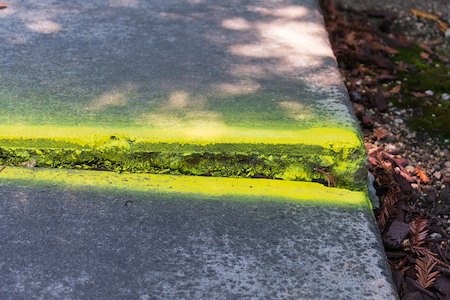
Sidewalk trip hazards are more than a nuisance. In busy Columbus neighborhoods like German Village, Clintonville, and the Short North, uneven panels can lead to injuries, liability concerns, and accessibility problems. This guide explains how to decide between targeted concrete repair and full slab replacement, and how ada compliant concrete helps keep walkways safe and easy to navigate.
If you need a professional evaluation, see our ADA compliant concrete services for a quick, local assessment.
Why Sidewalk Trip Hazards Matter in Columbus
Central Ohio’s freeze-thaw cycles push slabs up and down all winter. Tree roots from mature maples and oaks common in Bexley, Upper Arlington, and Worthington can lift corners and joints. Heavy foot traffic near schools, parks, and storefronts in Hilliard and Gahanna puts even more stress on the concrete surface.
Trip hazards can also limit safe access for people using wheelchairs, strollers, or canes. While local requirements vary, many property owners discover that fixing hazards quickly is the practical way to reduce risk and improve accessibility. Never ignore a trip hazard near entrances or parking transitions where falls are most likely.
How ADA Compliant Concrete Improves Everyday Access
When walkways are rebuilt or repaired with accessibility in mind, people of all abilities benefit. Proper transitions at sidewalks, ramps with smooth, non-slip finishes, and clean joints help reduce jolts and catches that cause trips. Even modest improvements, like leveling offsets and restoring a uniform surface, can make a big difference for neighbors and customers.
If you are updating high-traffic paths, it helps to plan for clear walking lines, good drainage, and durable finishes that stay slip-resistant through Ohio winters. Using quality mixes and proven placement methods is where experienced concrete contractors add real value.
When Concrete Repair Is Enough
Not every uneven panel needs a full replacement. In many Columbus cases, a focused repair solves the problem without major disruption.
- Minor surface wear: Shallow scaling, light spalling, or small pits that do not affect the whole slab can often be treated.
- Small height differences: Localized lifting at a joint may be corrected by precise grinding or targeted leveling.
- Isolated settlement: If one corner has settled but the slab is otherwise sound, sectional lifting can bring it back to grade.
- Tight, non-moving cracks: Stable, hairline cracks that are not spreading may be sealed to keep water out.
Repairs make sense when the slab is structurally solid, drainage works, and underlying causes are manageable. Small cracks do not always mean replacement; what matters is whether the damage is active, expanding, or tied to larger issues.
In Central Ohio, freeze-thaw cycles can lift or drop concrete several times each winter. Schedule evaluations in late spring or early fall when slabs have settled for a more accurate plan.
When Full Replacement Is the Safer Choice
Sometimes a fresh start is the right move. Full replacement is usually recommended when the slab is failing as a system, not just at one spot.
- Widespread cracking or deep breaks that run across the panel
- Ongoing heaving from roots or expansive soils that keeps returning
- Poor drainage that traps water against the slab and freezes
- Repeated repairs that do not last through the seasons
- Surface textures so worn that traction and visibility are compromised
Replacement lets you correct base conditions, reset grades for proper water flow, and pour a uniform surface designed for long-term durability. Tree root issues often return if the cause is not addressed, so a new slab combined with root management or rerouting may be needed.
Columbus Climate, Trees, and Soils: Why Hazards Develop
Columbus sits in a climate that swings from freeze to thaw many times from December through March. Water enters joints and small cracks, freezes, and expands. Over time, edges pop up or sink, creating toe-stubbing offsets. Clay-rich pockets in local soils can also move with moisture, shifting slabs out of level.
Street trees add beauty and shade on blocks in German Village and Victorian Village, yet roots search for air and water near joints. If panels are thin, poorly supported, or already stressed, small lifts become bigger hazards. Good design and maintenance help reduce these effects, but even well-built concrete can move with Mother Nature.
Repair vs. Replacement: A Simple Decision Framework
Use the following questions to guide your choice. Your contractor’s inspection will confirm the best path.
- Is the damage limited to one joint or corner, and is the rest of the slab sound?
- Are offsets modest and stable, or do they change through the seasons?
- Does water run off the surface cleanly, or does it pond and freeze?
- Have past spot repairs held up, or do problems keep returning?
- Will correcting the base, slope, and transitions now prevent new hazards later?
If several answers point to systemic issues, replacement often pays off in fewer disruptions and better accessibility. If problems are small and contained, a smart repair can extend the life of your walkway with minimal downtime.
What a Professional Sidewalk Inspection Includes
Expect a structured visit from experienced concrete contractors who know Columbus neighborhoods and weather patterns. A thorough review often includes:
Walkthrough and documentation: The team notes locations, traffic patterns, and any recent changes like new landscaping or utility work. They check for trip risks near drive entries, storefronts, and crosswalks where falls are more likely.
Surface and joint assessment: The inspector looks at cracking, scaling, edge breaks, and joint alignment. A level surface with clean, well-sealed joints is the goal for safer access.
Drainage and base review: The grade should move water away from the slab. If flow is back toward buildings or into low spots, the plan should correct it during repair or replacement.
Cause-and-effect planning: Heaving roots, downspout discharge, or traffic loading often explains why a slab moved. The plan should address both the symptom and the cause.
You can learn more about compliant walk surfaces on our dedicated page for Columbus ADA compliance solutions used on sidewalks, ramps, and other public-facing areas.
Materials and Methods That Support ADA-Friendly Results
Concrete mix and placement methods matter for long-term performance. For sidewalks, contractors often favor mixes that balance strength with durability, finished with textures that resist slipping in rain and snow. Joint spacing and proper saw cutting help control where the slab naturally relieves stress, reducing random cracks.
Transitions matter too. Edges at driveways, curb ramps, and building entries need smooth movement without abrupt steps. Clear sightlines, consistent texture, and stable borders help people stay oriented and steady, even in winter when surfaces can be wet or lightly icy.
Timing, Staging, and What to Expect During Work
Most sidewalk projects in Columbus happen from spring through fall when temperatures are friendlier to concrete curing. Winter work is possible with planning, but it may require scheduling flexibility. Your team will stage work to keep access open where possible and to protect fresh concrete until it reaches suitable strength for foot traffic.
Noise, dust, and short-term closures are typical. A good crew communicates staging so customers, tenants, and delivery drivers know what to expect. Keep records of inspections and fixes so you can show due care if questions arise later.
Accessibility, Liability, and Local Considerations
Rules and responsibilities can vary by jurisdiction and site type. In many Ohio communities, property owners help maintain adjacent sidewalks, but requirements differ by location and project scope. Avoid assumptions and get clear guidance before the work starts. A professional review will focus on practical safety and access improvements that align with current guidance.
For a broader look at how we approach accessibility-focused flatwork, you can explore more about ADA compliant concrete and how proper planning leads to smoother outcomes for public-facing areas.
Ready to Make Your Sidewalk Safer?
Whether you manage a storefront in the Short North or a rental in Olde Towne East, a short visit from Gaddis & Son, Inc. can help you choose a clear, confident path forward. We evaluate the whole picture, from surface condition to drainage to nearby roots, then recommend targeted repair or a full pour that supports long-lasting, accessible results.
Speak with a specialist today at 614-252-3109. For details on accessible methods and finishing standards, see our page on ADA-compliant concrete services for sidewalks, ramps, and entries across Columbus, OH.
Gaddis & Son, Inc. is ready to help you eliminate trip hazards and make your paths safer for everyone.