When Should You Replace Old Concrete Sidewalks in Galloway, OH Instead of Installing a Surface Patch?
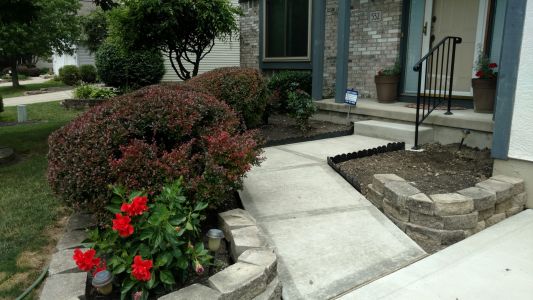
Wondering if a quick patch will fix a tired walkway or if it is time for full concrete sidewalk replacement in Galloway, OH? This guide explains how to tell the difference, why patches sometimes fail, and how Gaddis & Son, Inc. approaches concrete removal and replacement for safe, long-lasting results.
If your path through Prairie Township, Hilliard, or Grove City has become uneven, cracked, or slick after a freeze-thaw winter, a surface patch may look tempting. But not every sidewalk can be saved that way. When the slab is moving, sinking, or crumbling, replacement protects your family and curb appeal better than a thin overlay. To learn about design and finish options, see our page on concrete sidewalks.
Concrete Sidewalk Replacement in Galloway, OH
Replacement means we remove the old, damaged concrete slab and pour a new concrete slab on a sound base. This corrects the underlying problems that caused the damage in the first place. It is the most reliable way to fix trip hazards, wide cracks, standing water, and slabs lifted by roots.
In west Columbus neighborhoods such as Lincoln Village and Westland, many sidewalks were placed over clay soils. Clay holds water and swells, then shrinks when it dries. That constant movement often makes patches pop loose. Full replacement resets the base and restores a clean, even walking surface that matches the rest of your hardscape.
Surface Patching vs. Full Replacement: What Lasts Longer
A surface patch adds new material on top of the old concrete. It is most successful on small, stable areas where the base is firm and the original concrete is still sound. Patches are not designed to bridge slabs that are shifting or sinking. They also struggle where heavy salt use or repeated freeze-thaw cycles are common.
Full removal and replacement cost more up front, but they solve the root cause. When done correctly with compaction, grading for drainage, and proper control joints, a new sidewalk resists cracking and remains smoother for years. That long-term stability is why many Galloway homeowners choose replacement after the second or third patch fails.
Clear Signs Your Sidewalk Needs Replacement
- Multiple deep cracks and sinking slabs are not good candidates for patching.
- Edges that have spalled or flaked away across several feet.
- Slabs that rock or pump water when stepped on.
- Sections lifted by tree roots that keep rising each season.
- Ponding after rain or snowmelt that creates icy spots in winter.
Any one of these signs might be fixable with a small repair if the area is stable. When two or more show up together, replacement is usually the smarter path for safety and durability.
Hidden Problems That Make Patches Fail
Patches often fail because the problem lives under the slab. Saturated clay soils expand and shrink. Downspouts may dump water beside the walk. Tree roots keep pushing. These forces fracture thin toppings. Tree root lifting usually requires slab replacement. A new sidewalk allows us to adjust grades, route water away, and establish a better base so those forces are controlled.
How Local Weather and Soils Affect Sidewalks
Franklin County winters bring freeze-thaw swings that pry open tiny cracks. Rock salt is common on the west side of Columbus, which can be harsh on concrete surfaces. Salt damage from winter can shorten the life of thin patches. A properly mixed and cured new slab, plus good drainage and sealing, holds up better to Galloway’s winter routine and wet springs.
When a Patch Is Reasonable
Patching has its place. If the sidewalk is sound and you see a small, tight crack or shallow pit that does not collect water, a professional skim repair can extend life. The key is stability. If a shovel can slide under a corner or the section wobbles, a patch will likely fail. Watch for trip hazards around 1/2 inch or more. Those call for a deeper solution.
In Galloway, a quick temperature swing in late winter can turn a damp sidewalk into ice overnight. If you notice repeated icy spots, the slab likely holds water. Correcting the slope during replacement often eliminates those slick patches and reduces slip risks.
Our Process for Safe, Long-Lasting Sidewalks
At Gaddis & Son, Inc., we follow a straightforward process for residential concrete installation. First, we assess the cause of damage and plan concrete removal and replacement only where it makes sense. Next, we remove the failing slab, fix the base, and compact it. We set forms, add reinforcement where needed, and pour a new concrete slab to the right thickness.
Control joints are placed at proper spacing to guide natural movement and reduce random cracks. We finish the surface for slip resistance and clean water run-off. After curing, we walk the site with you so you know how to treat the new surface during the first few weeks. That careful approach helps sidewalks across Galloway, Hilliard, and Grove City stand up to the seasons.
What To Consider Before You Decide
- Location of drains, downspouts, or low spots that trap water.
- Nearby trees with large, shallow roots that may keep lifting slabs.
- How many repairs have already been tried on the same area.
- Your timeline if you want a uniform look before listing or hosting.
Replacement creates a smooth, consistent surface with matching color and texture. Patching can leave a checkerboard look. If appearance matters for curb appeal in your neighborhood, a new pour often wins.
How Long a New Sidewalk Should Last
Lifespan depends on the base, drainage, daily use, and seasonal care. A well-installed sidewalk on a stable base can last for decades. Sealing on a regular schedule and avoiding heavy salt use helps. If you are comparing options, long life and fewer repairs are the usual reasons your neighbors choose replacement over another patch.
Choosing a Concrete Contractor You Can Trust
You want a team that explains the cause of damage, not just the symptom. Ask about base preparation, control joints, curing, and how they manage water around the walk. Review photos of similar residential jobs in the Galloway area and ask how they protect lawns and landscaping during removal. For more about who we are and how we work, start at our home page under concrete sidewalk replacement and then explore recent projects.
We are happy to walk the site with you, point out risks, and recommend the best fix. If a small, stable area can be repaired, we will say so. When replacement is the better call for safety and value, we will explain the why in plain English and show you the plan.
Upgrade Paths That Connect: Driveways and Walkways
Sidewalks do not stand alone. Many homeowners in Galloway refresh their entry walk and driveway together for a clean, continuous look. If your driveway shows the same cracking or pitting as the walk, it may be time to plan a coordinated update. You can review finishes and joint layouts that tie everything together on our page for concrete driveways.
Common Myths About Patching
Myth one: a thick patch will outlast a new slab. Not true if the base is moving. Myth two: sealing alone can stop a widening crack. Sealers protect surfaces, but they do not lock shifting slabs in place. Myth three: roots stop growing under concrete. Roots chase water and air. They will keep pushing unless the path is adjusted or the roots are managed during replacement.
Safety, Slopes, and Water
Falls often happen where uneven slabs create small steps. The risk grows after a snow. If your walk has dips that hold water, we can regrade the base and adjust slopes so water moves to the lawn or a drain instead of freezing on your path. That small design choice pays off every winter along Galloway’s sidewalks.
Why Replacement Protects Curb Appeal
Even if a patch holds, color and texture rarely match the original concrete. That can make every repair obvious. A new slab gives you a single, uniform surface with a crisp broom finish that frames your landscaping and front entry. Neighbors notice. So do buyers when it is time to sell.
Your Next Step
Still unsure whether to repair or replace? A short site visit usually settles it. We look for movement, moisture, and root pressure, then share clear photos and a plan. You will know exactly what is causing the damage and how a fresh pour will address it.
If you are ready to explore layouts, edging, and finishes, browse our guide to concrete sidewalks for options that fit your home.
Get Started With a New Sidewalk in Galloway, OH
Ready for a safer, better-looking walkway that holds up to Galloway weather? Call Gaddis & Son, Inc. at 614-252-3109 to plan professional concrete removal and replacement. Or use our page to schedule your sidewalk replacement and we will confirm a convenient time.